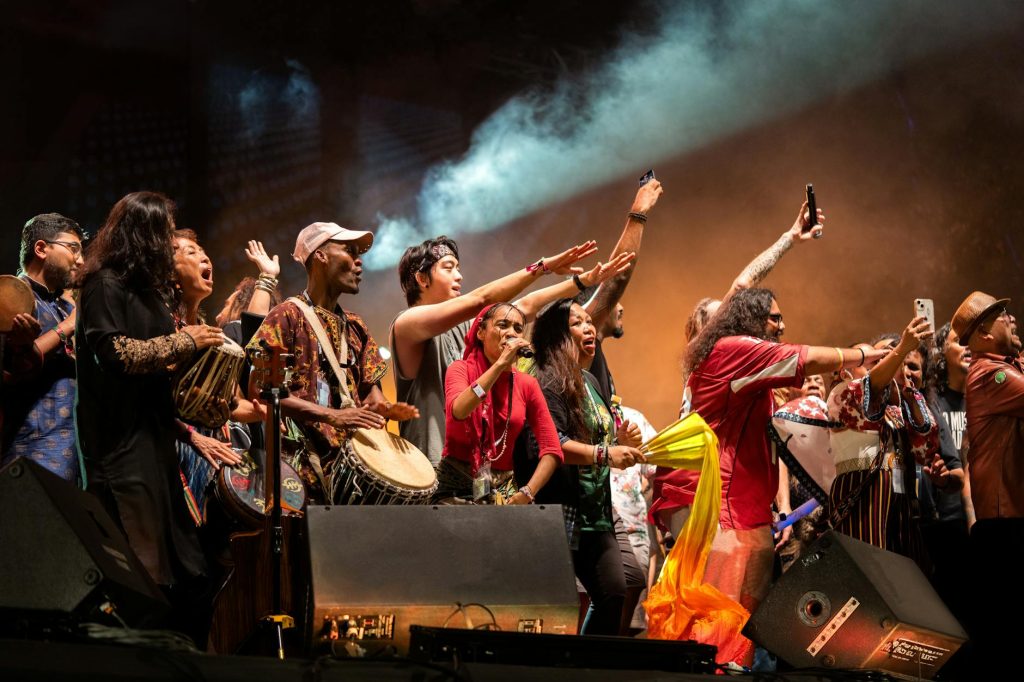

Metal’s grip on the world is undeniable. From the frozen wastelands of Norway to the sun-drenched shores of Brazil, the music has found a home in every corner of the planet. It’s a testament to the power of shared experience, the primal scream of a generation, and the relentless quest for something heavier, darker, and more meaningful. Forget the tired tropes; let’s dive into the international brotherhood and sisterhood of headbangers.
The Genesis of a Global Sound
Tracing the evolution of metal reveals how it was initially a Western phenomenon. The United States and the United Kingdom are often cited as the origin points. But even early on, it was drawing on international influences. Blues, folk, and classical music all played a role. These diverse influences were essential to its initial development. What started as a local movement, however, soon crossed borders. The accessibility of international travel and the internet has only fueled this process.
The first wave of international metal was largely a process of imitation. Bands in countries like Germany and Sweden started to mimic the sounds of their American and British counterparts. But the desire to express themselves differently soon began to flourish. This eventually led to a divergence of sound. The cultural context of each region began to influence the music.
Europe: A Continent of Metal Diversity
Europe stands out as a continent with an especially rich metal heritage. The Nordic countries, in particular, are globally recognized. Their contributions range from the melodic death metal of Gothenburg, Sweden, to the black metal of Norway. The frigid winters and dark folklore of these regions heavily influenced the themes and atmospheres of the music. Each nation brings a unique flavor to the genre.
Germany, too, is a metal powerhouse. Bands such as Rammstein, Kreator, and Destruction have defined German metal. These bands offer a sound that is as brutal as it is precise, often dealing with themes of war, industrialization, and societal critique. The German metal scene is known for its strong work ethic and high production values. Data from Statista demonstrates that Germany is among the top countries in the world for music streaming revenue, showing the strength of music scenes in the country.
Beyond these giants, the UK, Poland, Finland, and other European countries each offer their own unique perspective. The UK has a long metal history, from the origins of the genre to today’s thriving underground scene. Poland’s death metal scene, with bands like Vader, is legendary for its brutality. Finland’s melancholic sound offers a counterpoint to the more aggressive styles.
Asia: Adapting and Innovating
The Asian metal scene is a study in adaptation and innovation. In Japan, metal music has embraced its own unique aesthetic. Japanese metal bands often integrate traditional instruments and melodies. Visual kei, a subgenre that emphasizes elaborate costumes and stage presence, has found a massive following. Influenced by their own cultural landscape, Japanese metal bands like Babymetal have gained global recognition.
China’s metal scene is growing rapidly. Despite facing censorship and other restrictions, Chinese metal bands have persevered. They are producing increasingly sophisticated music. The scene has become more prominent, offering a way for younger generations to express themselves. The growing economic development in China is also giving the scene new opportunities. This is not just a matter of music; it also reflects the country’s social and cultural dynamics.
South America: Passion and Intensity
South America’s metal scene is defined by its passion and intensity. Brazil, in particular, has a vibrant metal culture. The country is known for its extreme metal. Sepultura, one of the most successful metal bands of all time, hails from Brazil. They fused metal with indigenous music, showcasing Brazil’s distinct cultural richness.
Argentina and Chile have also cultivated unique metal scenes. They reflect the socio-political realities of their countries. The music often deals with themes of social justice and resistance, further solidifying the link between metal and its societal context. Metal music in South America resonates as a form of cultural expression, even protest.
The Ongoing Globalization of Metal
The globalization of metal is an ongoing process. With the Internet, touring, and the music industry itself expanding, bands have more opportunities to reach a worldwide audience. Collaboration between artists from different countries is becoming increasingly common. The exchange of ideas has enriched and diversified the metal genre.
One factor in metal’s global success is its universality. The themes of rebellion, alienation, and social criticism resonate with people worldwide. No matter what your background, metal offers an outlet for expressing the darker side of human emotion. From the raw energy of a garage band to the sonic complexity of a symphony orchestra, it’s something many can relate to. Even something as simple as a coffee mug, like the Conspiracy Realist Coffee Mug, can be a tool of global connection and personal expression!
Challenges and the Future
The metal scene faces certain challenges. These include issues like censorship, economic disparity, and cultural misunderstandings. Censorship in some regions restricts the ability of bands to perform and distribute their music. Economic disparities affect access to instruments and production resources. Misunderstandings across cultures can lead to confusion and conflict. But the inherent resilience of metal, and the passion of its fanbase, will always drive its progression.
The future of metal lies in its diversity and innovation. As new artists from different regions emerge, we can expect fresh perspectives and sounds. The blending of genres and cultural influences will continue to shape the music. The genre is not just surviving but thriving. Metal is a truly global language.