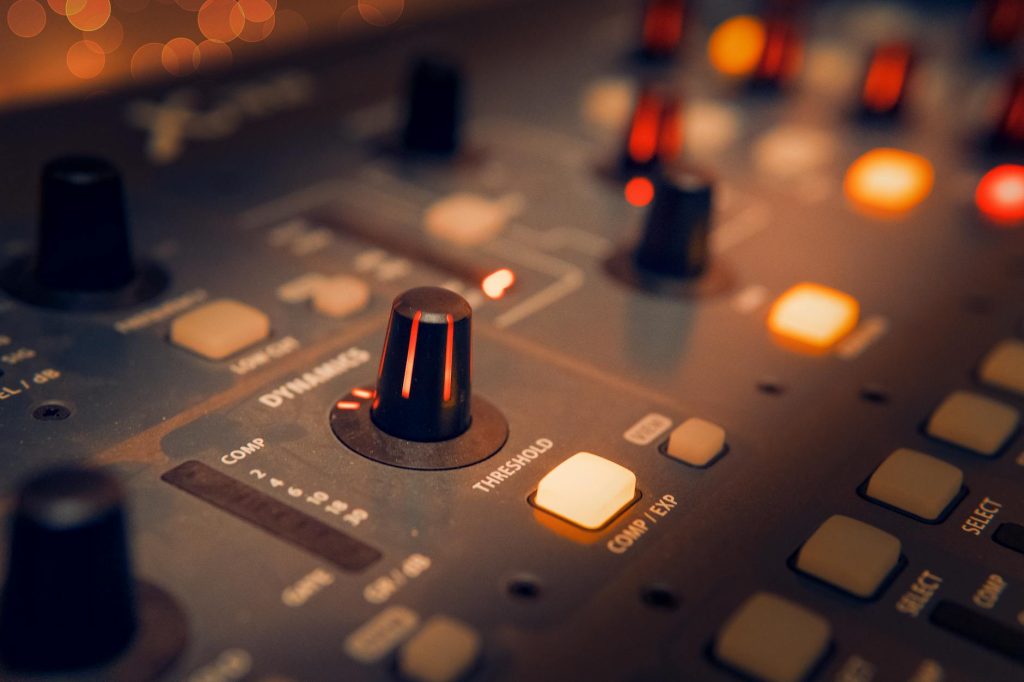

Ever cranked up a classic metal album and thought, “How did they *do* that?” The truth is, the magic isn’t just in the riffs and screams. A crucial element of every metal masterpiece is the production itself. This is a look at what went on behind the scenes, from the vintage gear to the studio wizardry that helped forge the sounds of legends.
The Engineer as Alchemist
It’s easy to focus on the band, but think about the unsung heroes of heavy metal: the producers and engineers. These sonic alchemists are the ones shaping the raw elements of a band’s performance into a cohesive and impactful sound. Their understanding of microphones, mixing consoles, and the recording environment itself is crucial. They are the ones helping bands achieve that perfect blend of aggression and clarity. Take, for example, the recording of Black Sabbath’s self-titled debut. The engineers famously experimented with different microphone placements and amplifier combinations to capture the raw, dark energy of the band’s live performances and translate that into a studio environment, an essential element for establishing the band’s signature sound. Some claim that production of the first Black Sabbath record happened in less than a single day; the result, however, became the foundation of modern heavy metal.
Early metal production often embraced a ‘live’ feel. Bands played together in the studio, which created the energy that made the music feel immediate. However, producers were also starting to experiment with overdubbing, multi-tracking, and other technologies that were emerging in the late 60s and early 70s. This created the possibility for a more layered and complex sound. The engineer’s role began to expand beyond simply capturing the sound to actively shaping it through techniques like EQ, compression, and reverb. The choices made in these early days defined production trends that still echo today.
The Dawn of the Digital Age
The 1980s ushered in a new era of metal production. Digital recording technology exploded, giving engineers unprecedented control over the sound. Digital consoles and multi-track recorders offered greater precision and flexibility. One of the main benefits of early digital recording was the ability to reduce background noise. According to a 1984 study by the Audio Engineering Society, the signal-to-noise ratio in early digital recordings could be significantly higher than in analog recordings, resulting in cleaner and more defined sounds. The Audio Engineering Society (AES) is a great source to learn more about the science of sound recording.
This led to a movement toward a more polished and aggressive sound. Bands like Metallica and Slayer embraced these techniques, creating the sonic templates for thrash metal. Guitar tones became tighter, drums more powerful, and vocals clearer. In some cases, the pursuit of perfection led to a degree of over-production, but the overall impact of the digital revolution on metal music was undeniable. The level of control and detail available in mixing and mastering allowed bands and producers to push the boundaries of what was possible, leading to increasingly complex and technically demanding music. A key takeaway is the evolution of equipment, from analog to digital, that gave birth to distinct metal subgenres.
The Studio as an Instrument
Specific studios became as famous as the bands who recorded there. The studios themselves provided access to particular equipment and recording philosophies that helped define many iconic sounds. For example, Sun Studios in Memphis was critical to the birth of rock and roll. Metal also has its legendary spaces. Morrisound Recording in Florida became synonymous with death metal. Producers like Scott Burns, who worked there, perfected the art of capturing the raw, brutal sound of bands like Obituary and Death. Each studio and producer developed unique techniques and workflows, using gear and room acoustics to sculpt the perfect sound for each project.
The choice of equipment – from amplifiers and microphones to mixing consoles and effects – profoundly affected the final sound. Some bands have preferred vintage gear to capture a specific tone. Others have embraced the latest technology. Recording Connection is a good resource to see the evolution of music recording equipment. In the end, it’s all about the interplay between the musicians, the producers, and the tools they choose to craft the sonic experience.
Beyond the Riffs: Mastering and the Final Polish
Mastering is the final step in the production process. It involves polishing the overall sound of the finished album. This includes making final adjustments to the volume levels, EQ, and stereo image of the songs. Mastering engineers ensure that the album sounds consistent across all tracks and all playback systems. Think of it as the ultimate quality control. A great mastering engineer can take a good mix and make it sound amazing.
Mastering also involves preparing the album for distribution. This means creating the master files that will be used for CDs, vinyl, and digital downloads. It’s a crucial step in ensuring that the album sounds its best to all of the listeners.
Legacy of the Sound Alchemists
The sonic choices made by engineers and producers have profoundly impacted metal music. These choices have shaped the sounds of genres, influencing future generations of musicians. The evolution of metal production is an ongoing story. New technologies and techniques are constantly emerging. Experimentation is the key to creating new sounds. The spirit of innovation continues to drive the metal community forward.
As you dive deeper into metal, you’ll discover that there’s more than meets the ear. Think about that next time you’re giving the album of your favorite band a spin. The sounds you hear have a much richer story than you might imagine. And you can always fuel your deep dives with the appropriate beverage. Now, if you’ll excuse me, I’m going to refill my trusty mug. Perhaps you’d want one, too? I recommend the **cool guy coffee mug**.
The sounds we cherish were made by passionate people, crafting artistry in studios and turning metal dreams into realities.