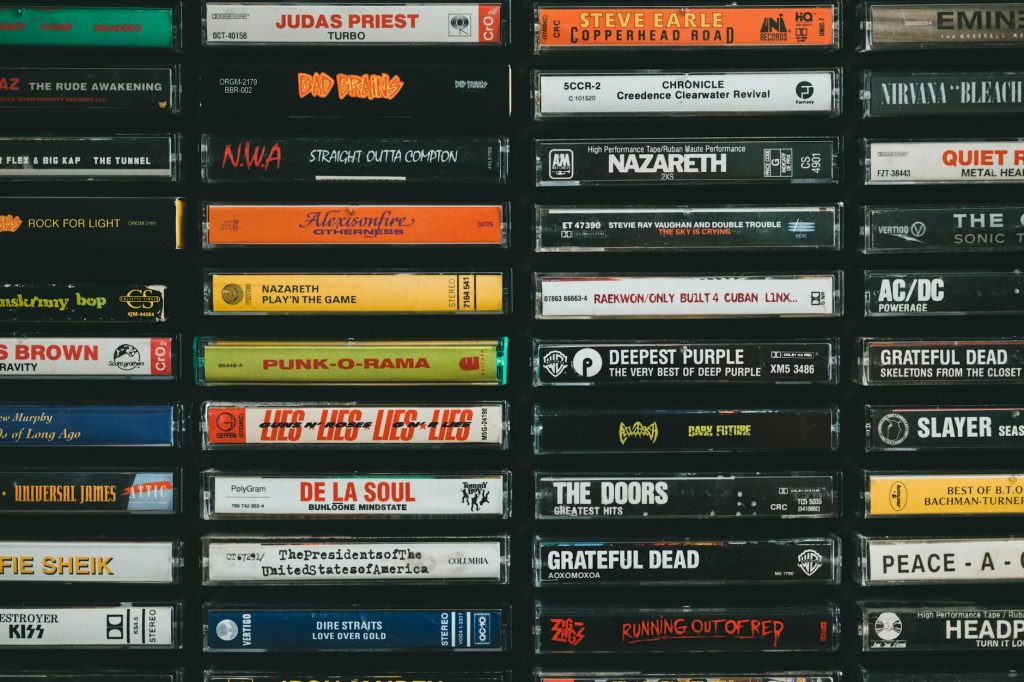

Metalheads, let’s talk about the fourth member of the band: the press. Forget the notion that metal sprung forth fully formed from some primordial riff. The truth is, the story of metal is intricately linked to how it’s been perceived and presented. The music press hasn’t just been a chronicler; it’s been an active participant in shaping the narrative, for better or worse. Let’s dig in and see how the media has twisted, turned, and occasionally guided the fortunes of our beloved genre.
The Early Days: Cult Status and Scorn
In the nascent days of metal, the press was… ambivalent, to say the least. Early pioneers like Black Sabbath and Led Zeppelin were either dismissed as noisy upstarts or, in rare cases, cautiously celebrated. Mainstream outlets struggled to understand the darkness, the volume, and the often-occult themes. This initial skepticism helped cultivate the genre’s underground appeal. Metal became a cult, fueled by word-of-mouth and fanzines. The media’s dismissal actually fostered a sense of defiance and exclusivity, creating a tight-knit community bound by shared appreciation and a healthy dose of us-against-the-world mentality. It’s almost as if the press, by ignoring metal, inadvertently built its foundation.
Early metal bands often faced scathing reviews and derogatory labels. This negative attention didn’t always kill them, though. In some cases, it was the opposite. The controversy generated by negative press often acted as free publicity, attracting the curious and the rebellious. The press, whether intentionally or not, helped build metal’s reputation as a genre that challenged the status quo. It was a potent combination of musical innovation and societal rebellion.
The Rise of the Rock Press: Amplifying the Sound
As metal gained momentum, dedicated music publications started to emerge. Magazines like *Kerrang!* and *Metal Hammer* became essential reading for metal fans. These publications provided a platform for bands, and, crucially, helped define the genre’s aesthetics and values. They were the gatekeepers, the arbiters of taste, and the primary source of information for fans hungry for more. It was during this period that subgenres started to crystalize. Thrash, speed, death, and black metal all gained traction, each with its own specific sound and visual identity. The press played a vital role in identifying, categorizing, and promoting these burgeoning scenes. The press, in a way, was building the genre it was chronicling. It was a symbiotic relationship, the press and the music feeding off of one another.
These magazines didn’t just review albums; they shaped the whole package. They crafted the mythologies, the personas, and the visual identities of the bands. The interviews, the photoshoots, the album art critiques—everything helped construct a distinct identity. They became the go-to source for interviews and breaking news. Metal magazines created an exclusive community, offering insights into their idols, which in turn cemented the devotion of their audience.
The Mainstream Spotlight: Triumph and Tribulation
The 1980s and early 1990s witnessed metal’s mainstream breakthrough. Bands like Metallica, Guns N’ Roses, and Mötley Crüe conquered the charts. MTV became a powerful promotional tool, exposing metal to a massive audience. This exposure, while exciting, also brought its own set of challenges. The media, often fickle, turned on some of the very bands it had previously championed. The initial hype faded, and some critics saw metal as overexposed, formulaic, and even “uncool.”
The constant pressure to cater to mainstream tastes led to internal tensions within the metal community. Some bands were accused of selling out, sacrificing their artistic integrity for commercial success. This created a rift between bands and fans. Furthermore, the media’s focus on image and spectacle often overshadowed the music itself. The emphasis shifted from musical innovation to stage theatrics, which diluted the core appeal of the music for many purists.
The rise of grunge in the early 90s saw metal’s cultural dominance wane. The music press quickly pivoted, hailing grunge as the “new” rock, leaving many metal bands scrambling for attention. The media’s short attention span and rapid shifts in taste can be a brutal lesson. The industry’s fickleness reminds us that the only constant in the music world is change.
The Internet Age: A New Battleground
The advent of the internet fundamentally altered the media landscape. The rise of online music publications, blogs, and social media platforms gave metal a new lease on life. This meant that the genre went back underground in a way, with control going back into the hands of the fans. It also meant that the gatekeepers were gone. Now, fans could access news and reviews from a multitude of sources, including many with less bias than traditional publications.
The democratization of media also brought its share of problems. The proliferation of information, some accurate and some pure garbage, made it challenging to discern the real from the fake. There was more information, but also more noise. Some critics found that the online scene lacked the critical rigor and editorial standards of established publications. The ability to directly connect with bands and artists via social media has created a more personal relationship between creators and fans. But it has also allowed for a proliferation of misinformation and the erosion of journalistic standards. Pew Research Center explores how social media usage has evolved, showing shifts in news consumption habits.
The internet has allowed niche subgenres to thrive. The metal community, known for its fierce loyalty, has found new ways to connect and support their favorite bands. While the old media might have faded from the spotlight, the internet created a space for dedicated fans and enthusiasts to celebrate the music they loved. The internet has also made it possible for bands to control their own narratives. They can now speak directly to their audience, bypassing the traditional media filter.
The Future: A Constant Evolution
The relationship between metal and the media will continue to evolve. The internet’s influence is undeniable, but traditional media still holds its value. As the music industry evolves, so will the coverage. The rise of artificial intelligence in content creation raises new questions about authenticity and objectivity in music journalism. The conversation must always continue. The Oxford Handbook of Music and Media goes in depth on how the media influences music.
Ultimately, the story of metal is a testament to the power of music and the resilience of its fans. The media has played a complex role, shaping its image, influencing its growth, and occasionally causing its setbacks. Despite the pressures, metal’s core values—authenticity, artistic integrity, and community—have remained. Now, if you’ll excuse me, I need another hit of caffeine. The creative process is a harsh mistress.
Thinking about how the press shapes perceptions of taste reminds me of my first band review… the editor didn’t get it, either. Still, after staring at his notes all night and knowing he gave my band a bad review, I knew it would be a good day. It’s safe to say I needed a big mug of coffee at that point. If you, like me, need to fuel those long nights, I have just the thing… sarcastic coffee mug. It’s the perfect vessel for a caffeine fix and a defiant middle finger to the naysayers.