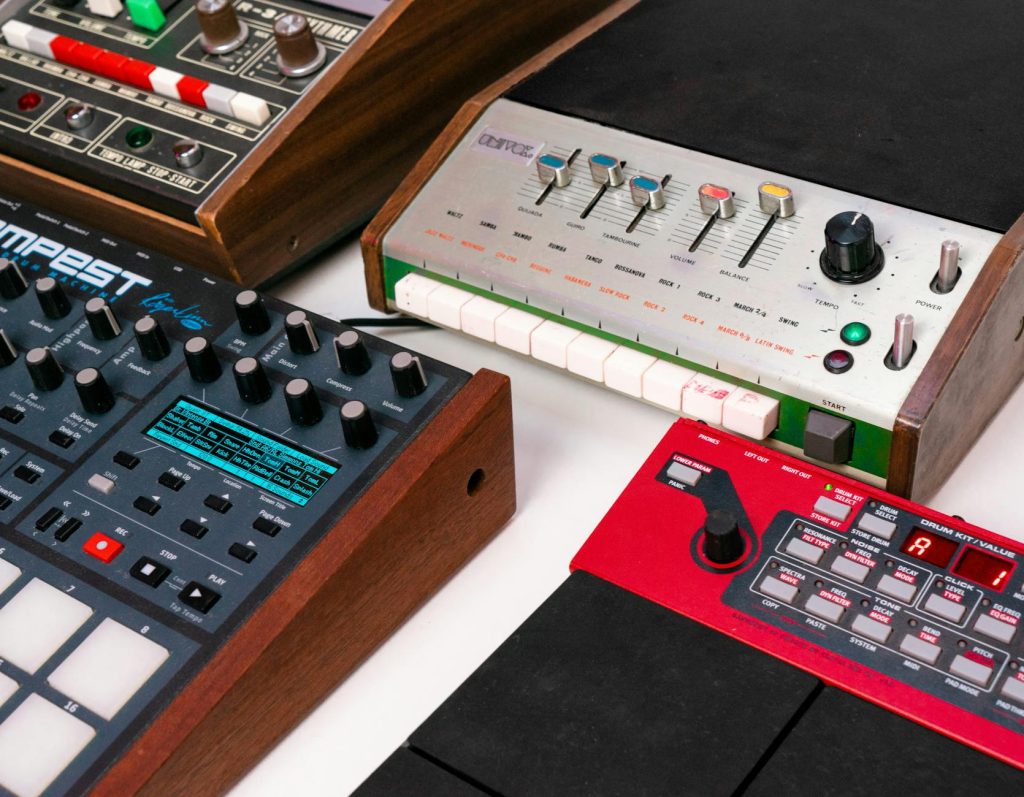

Progressive metal isn’t just music; it’s a cerebral journey. It’s a genre that demands active listening, rewarding those who embrace its complexities with a depth of artistic expression rarely found elsewhere. Forget three-chord anthems and predictable song structures; this is where musicians push boundaries, weave intricate soundscapes, and tell stories that extend far beyond the typical lyrical fare. We’re talking about music that challenges, provokes, and ultimately, elevates the listener’s experience.
The Architecture of Sound: Compositional Complexity
At the heart of progressive metal lies its compositional complexity. This isn’t just about throwing in a few odd time signatures; it’s about crafting intricate musical architectures. Think of it as constructing a skyscraper rather than a shack. Musicians within the genre frequently employ complex time signatures (5/4, 7/8, even more outlandish combinations), shifting tempos, and extended instrumental sections that allow for greater exploration of musical ideas. They’re not afraid to get technical, and it’s this technical prowess that sets them apart.
One of the hallmarks of progressive metal is the skillful integration of instrumental passages. These aren’t just filler; they are often the core of the experience. They allow for the exploration of themes, the development of musical ideas, and the creation of dynamic tension and release. Guitar solos aren’t mere showcases; they are extensions of the narrative, weaving complex tapestries that build upon the song’s emotional core. Keyboard parts are equally important, often providing orchestral textures, atmospheric layers, and melodic counterpoints. Bass and drums create the rhythmic foundation, constantly shifting and evolving, never settling for a simple backbeat.
Consider the use of polyrhythms—the simultaneous use of multiple rhythms—where different instrumental parts move against each other, creating a captivating tension. This isn’t something you stumble upon by accident; it’s a deliberate choice, requiring immense skill and coordination. Bands like Tool and Meshuggah are masters of this, creating music that is both brutal and intellectually stimulating. Bands constantly try to push the envelope, finding new ways to create intricate structures that both challenge and reward the listener’s attention. The result is music that has multiple layers to peel back and understand.
Concept Albums: The Narrative Canvas
Beyond the technical prowess, progressive metal bands often embrace the concept album format. This isn’t just about putting a bunch of songs together; it’s about creating a unified artistic statement. The albums function as a complete, cohesive work, where each song contributes to a larger narrative. The themes can vary wildly, from dystopian futures to psychological explorations, but the intention remains consistent: to tell a story through music.
Concept albums often utilize recurring musical motifs, lyrical themes, and thematic links between songs. These elements create a sense of cohesion and allow for a deeper understanding of the overall narrative. For example, Pink Floyd’s *The Wall* is a masterclass in this, with the album’s story of isolation and alienation perfectly complemented by the music’s dark and introspective tone.
This approach allows bands to explore complex ideas and themes. It challenges the listener to engage actively with the music, to listen attentively, and to piece together the narrative. It’s an immersive experience that goes beyond the fleeting enjoyment of individual songs. A prime example is Dream Theater’s *Metropolis Pt. 2: Scenes from a Memory*, which tells a captivating story about reincarnation, memory, and the search for truth. This is what you would expect from the genre, offering a chance to go beyond just the songs and to fully lose yourself in a well-crafted musical experience.
The Evolution of Prog Metal
Progressive metal isn’t a static genre; it’s constantly evolving, with new bands pushing the boundaries of what’s possible. From the genre’s early roots in bands like Rush and King Crimson, the genre has branched into numerous subgenres, each with its own distinctive sound and approach. You’ve got the technical wizardry of bands like Animals As Leaders, the epic storytelling of Opeth, and the djent-infused complexity of Meshuggah. Each band has a unique take on the genre, creating a rich tapestry of musical styles. The genre continues to reinvent itself, taking influence from various fields like classical music, jazz, and even electronic music.
The rise of digital audio workstations (DAWs) has also played a significant role in the evolution of progressive metal. Bands now have unprecedented control over their recordings, allowing them to create even more intricate and detailed soundscapes. This technology allows for experimentation with layering, sound design, and production techniques. It’s opened new avenues for creativity and complexity. This constant evolution is a sign of a vibrant and dynamic genre, one that embraces innovation and creativity.
For more details on the origins and influences of the progressive rock movement, check out this in-depth analysis from Encyclopedia Britannica. This demonstrates the profound cultural impact of the genre.
The Listening Experience: A Rewarding Challenge
Listening to progressive metal is not passive entertainment; it’s an active engagement with complex ideas. It requires patience, attentiveness, and a willingness to explore uncharted musical territory. Unlike simpler genres, progressive metal doesn’t always offer instant gratification. It often demands multiple listens before its complexities begin to reveal themselves. But the rewards are immense.
The more you listen, the more you discover. New layers of instrumentation, intricate arrangements, and subtle nuances reveal themselves. The stories become richer, the emotions deeper, and the overall experience becomes more fulfilling. It’s a journey of discovery, where the listener becomes an active participant in the creative process. It’s about finding the hidden depths within the music and connecting with the artists on a deeper level.
To further understand the specific production techniques used in creating complex music, you can consult this resource from Music Radar. This will provide you with a clearer understanding of the technicalities involved.
The Progressive Metal Community: A Tribe of Explorers
Progressive metal attracts a dedicated and passionate fanbase. It’s a community of music lovers who appreciate the genre’s complexity, its artistic vision, and its willingness to push boundaries. This community is a testament to the power of music to connect people, even those who may live disparate lives. It’s a tribe of explorers, always seeking out new sounds, sharing their discoveries, and celebrating the artists who create this challenging and rewarding music.
The internet has played a massive role in fostering this community, with online forums, social media groups, and dedicated websites providing platforms for discussion, debate, and the sharing of music. It’s where fans can connect with each other, share their favorite albums, and discover new artists. This online community allows for the promotion and continued evolution of this complex genre.
At the end of the day, all this talking about prog metal is making me thirsty. I’m thinking I’ll put some liquid fuel in my mug. If you’re also feeling parched after all this heavy music talk, you’ll need something to drink out of, and you can’t go wrong with a classic. Grab yourself one of the best mugs out there to keep your coffee going strong: Doge mug. It’s the perfect way to embrace the complexity of life, one sip at a time.
Progressive metal’s intellectual playground is an amazing space, one that rewards the listener’s dedication. It’s not music for the faint of heart, but for those who are willing to delve deep, it offers a rich and rewarding experience.